Kulkija
Teosehdotus: KILPISJÄRVEN RAJANYLITYSPAIKAN TAIDEKILPAILU
Kullero, Trollius europaeus, on Lapin maakuntakukka. Kasvi on pitkävartinen ja sen päässä on iso, keltainen, verholehtien muodostama pumpula. Varren lehdet ovat viisijakoisia ja kärjestä hammaslaitaisia. Nimen arvellaan olevan lyhentymä kultapallerosta. Kullerolle on tyypillistä kulkeutua uusiin kasvupaikkoihin, mikäli ympäristö on otollinen.
Lähtökohtana teosidealle oli kulkeminen. Teoksen visuaalinen muoto kuvaa matkalaisen tallaamaa kukkamätästä. Tallomisen seurauksena kukkia on taipunut ja katkennut, mutta osa on jäänyt vahingoittumattomina huojumaan pystyyn. Teoksessa kulleroiden kukinnot ovat lehtikullalla kullattuja erottuakseen lyhdyn lailla muuten karusta ja harmaasta tulliaseman liikennealueen ympäristöstä.
Teoksella viitataan luonnon uusiutumiskykyyn. Viitekehys ja sisältö ovat laajemmin luonto, kestävät elintavat ja se kuinka kohtelemme toisia. Toiseus viittaa tässä siihen miten olemme ihmiskuntana pyrkineet rajankäyntiin niin luonnon ja ihmisen välillä kuin myös toistemme välillä.
In English
The globeflower, Trollius europaeus, is the provincial flower of Lapland. The plant has a long stem, topped by a large, yellow, fluffy head formed by bracts. The leaves on the stem are five-lobed and serrated at the tips. The name is thought to be a shortened form of ‘kultapallero’ (golden ball). The globe thistle typically spreads to new growing sites if the environment is favourable.
The starting point for the concept behind the work was the act of walking. The visual form of the work depicts a patch of flowers trampled by a passer-by. As a result of being trampled, some of the flowers have been bent and snapped, whilst others remain undamaged, swaying upright. In the artwork, the blooms of the buttercups are gilded with gold leaf to make them stand out, like lanterns, against the otherwise bleak and grey surroundings of the customs station’s traffic area.
The work refers to nature’s capacity for regeneration. Its broader context and content encompass nature, sustainable lifestyles and the way we treat one another. In this context, ‘otherness’ refers to how we, as humanity, have sought to draw boundaries both between nature and humankind and amongst ourselves.
-
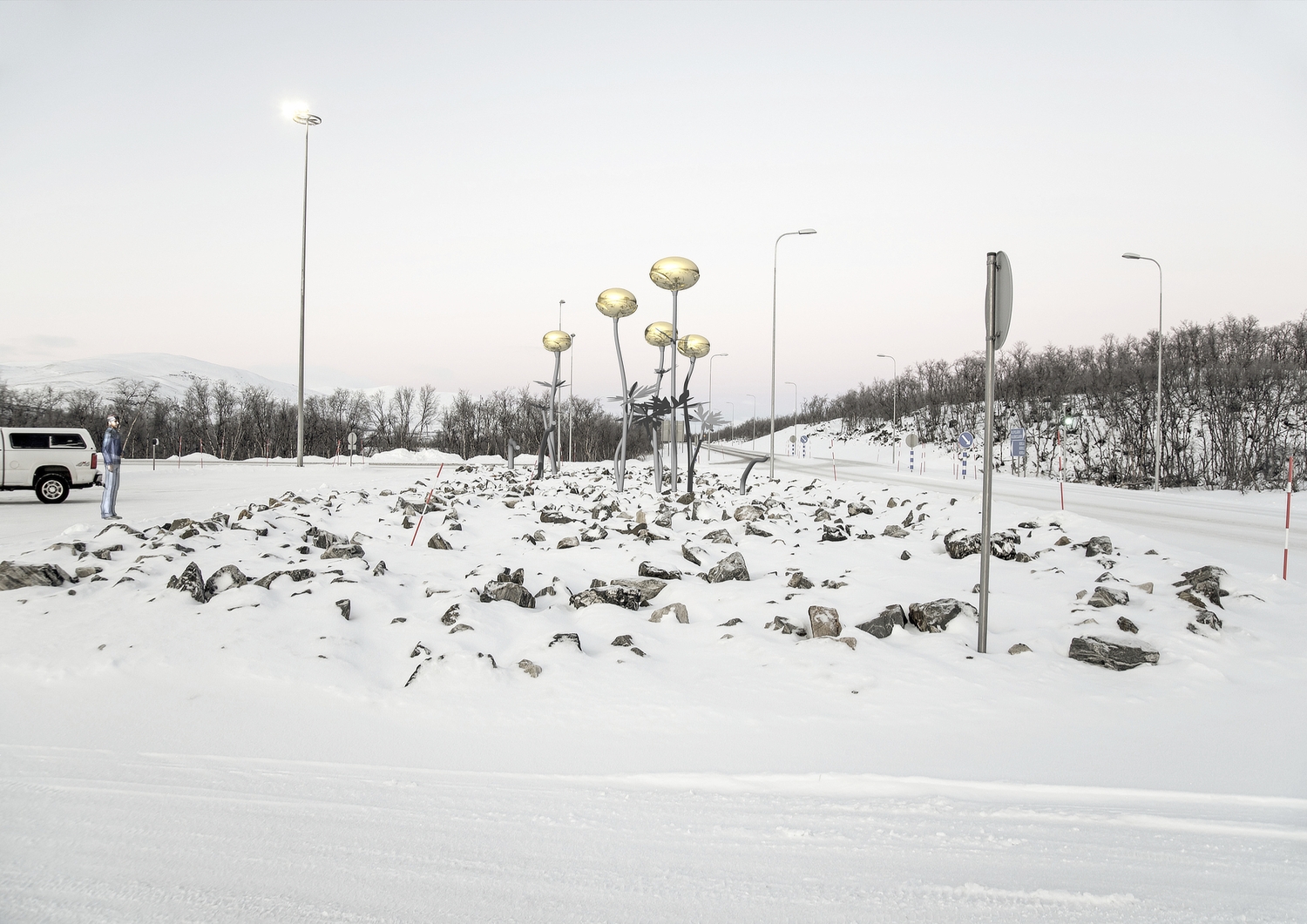
Nimimerkki Kulkija / Pseudonym Kulkija
Osa A
Materiaalit
Kukat: haponkestävä kullattu teräs
Varret: Imacron-terästanko
Alus- ja varsilehdet: Imacron-teräslevy
Terälehdet: haponkestävä kullattu teräs
Korkeus 4,5 mPart A
Materials
Flowers: acid-resistant gold-plated steel
Stems: Imacron-steel rod
Basal and stem leaves: Imacron-steel plate
Petals: acid-resistant gold-plated steel
Maximum hight 4,5 m1/5
-
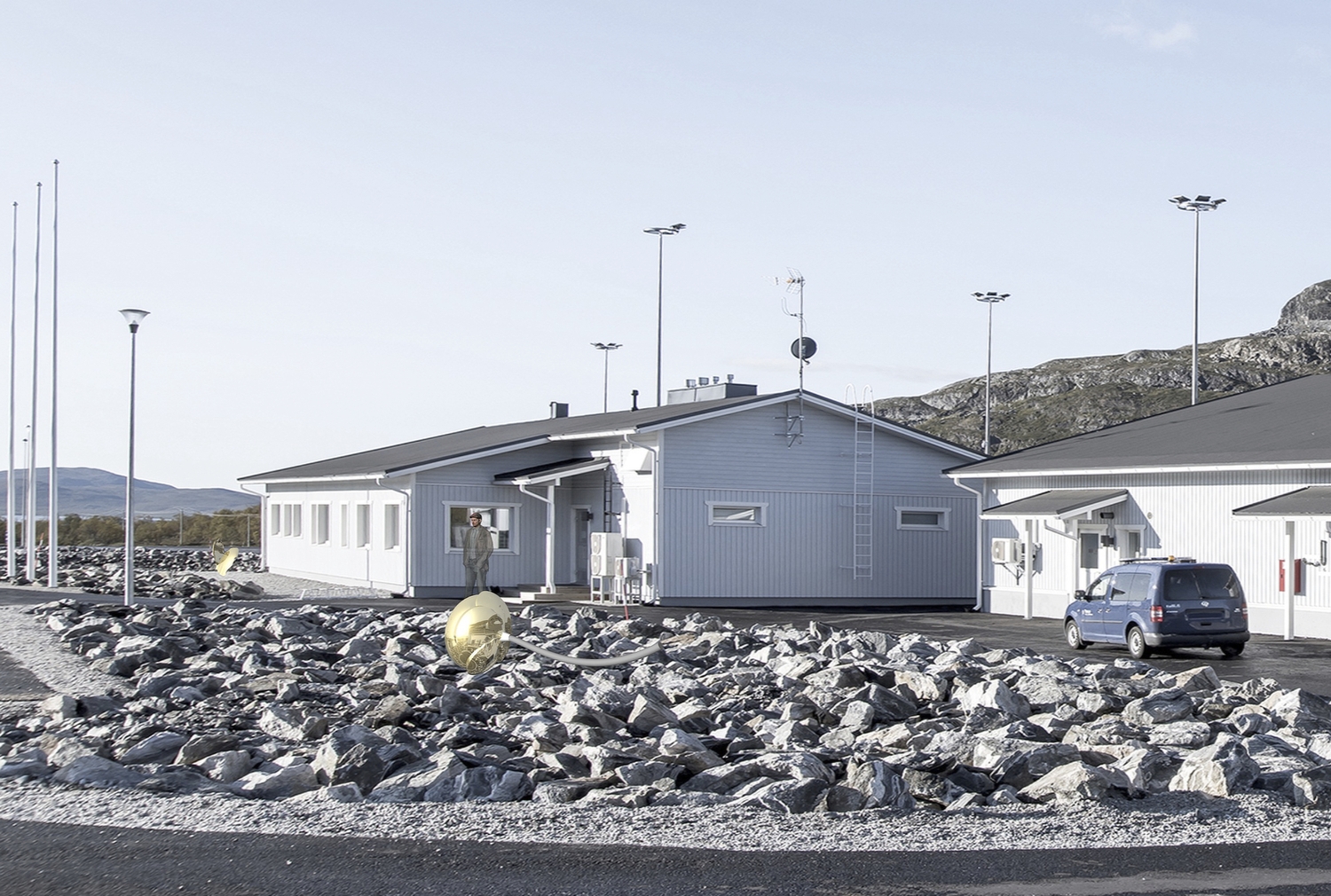
Nimimerkki Kulkija / Pseudonym Kulkija
Osa B
Materiaalit
Kukka: haponkestävä kullattu teräs
Varsi: Imacron-terästanko
Terälehdet: haponkestävä kullattu teräs
Leveys 2,7 mPart B
Materials
Flower: acid-resistant gold-plated steel
Stem: Imacron-steel rod
Petals: acid-resistant gold-plated steel
Maximum widtht 2,7 m2/5
-
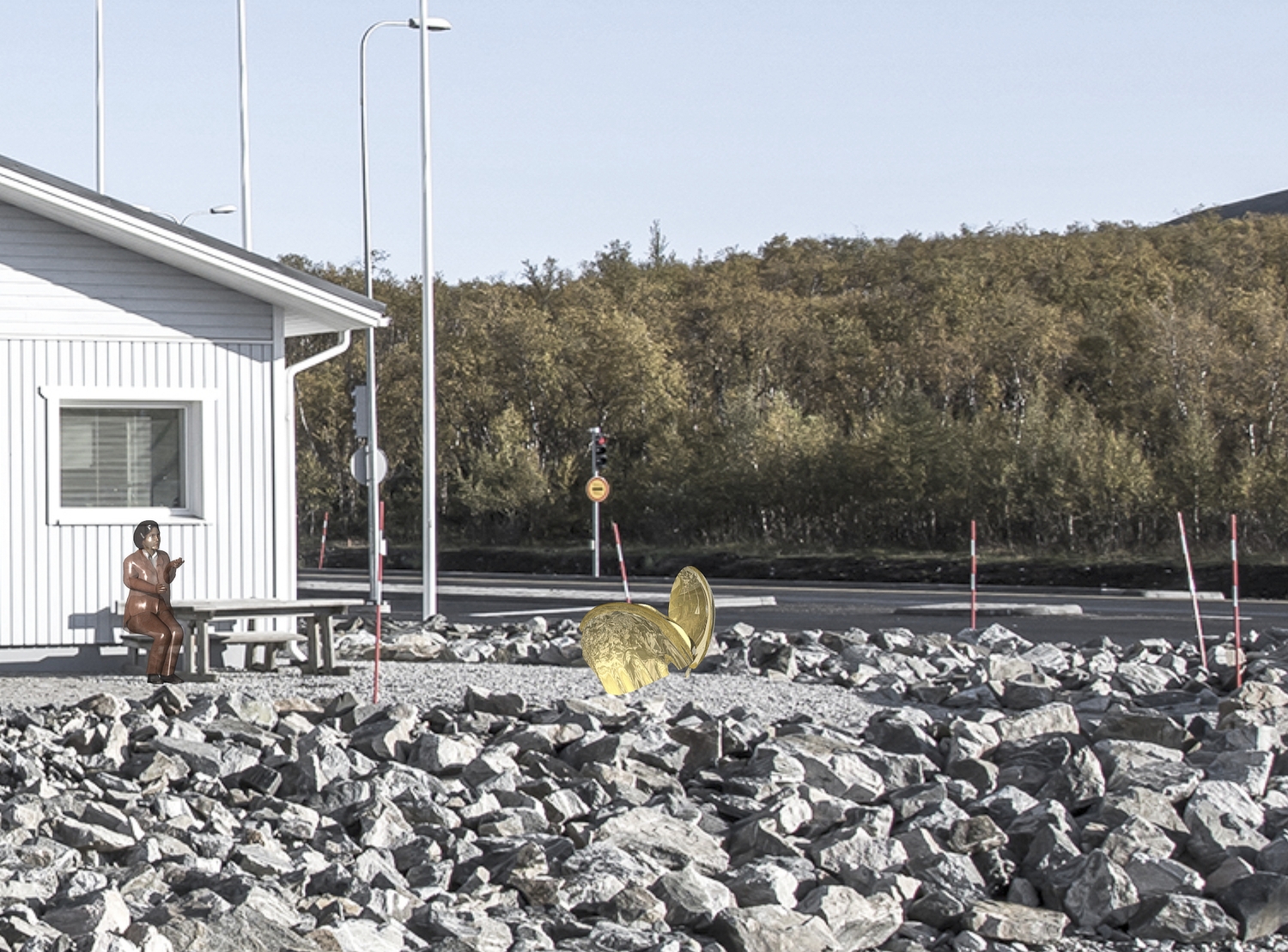
Nimimerkki Kulkija / Pseudonym Kulkija
Osa C
Materiaalit
Terälehdet: haponkestävä kullattu teräs
Korkeus 1 mPart C
Materials
Petals: acid-resistant gold-plated steel
Maximum hight 1 m3/5
-
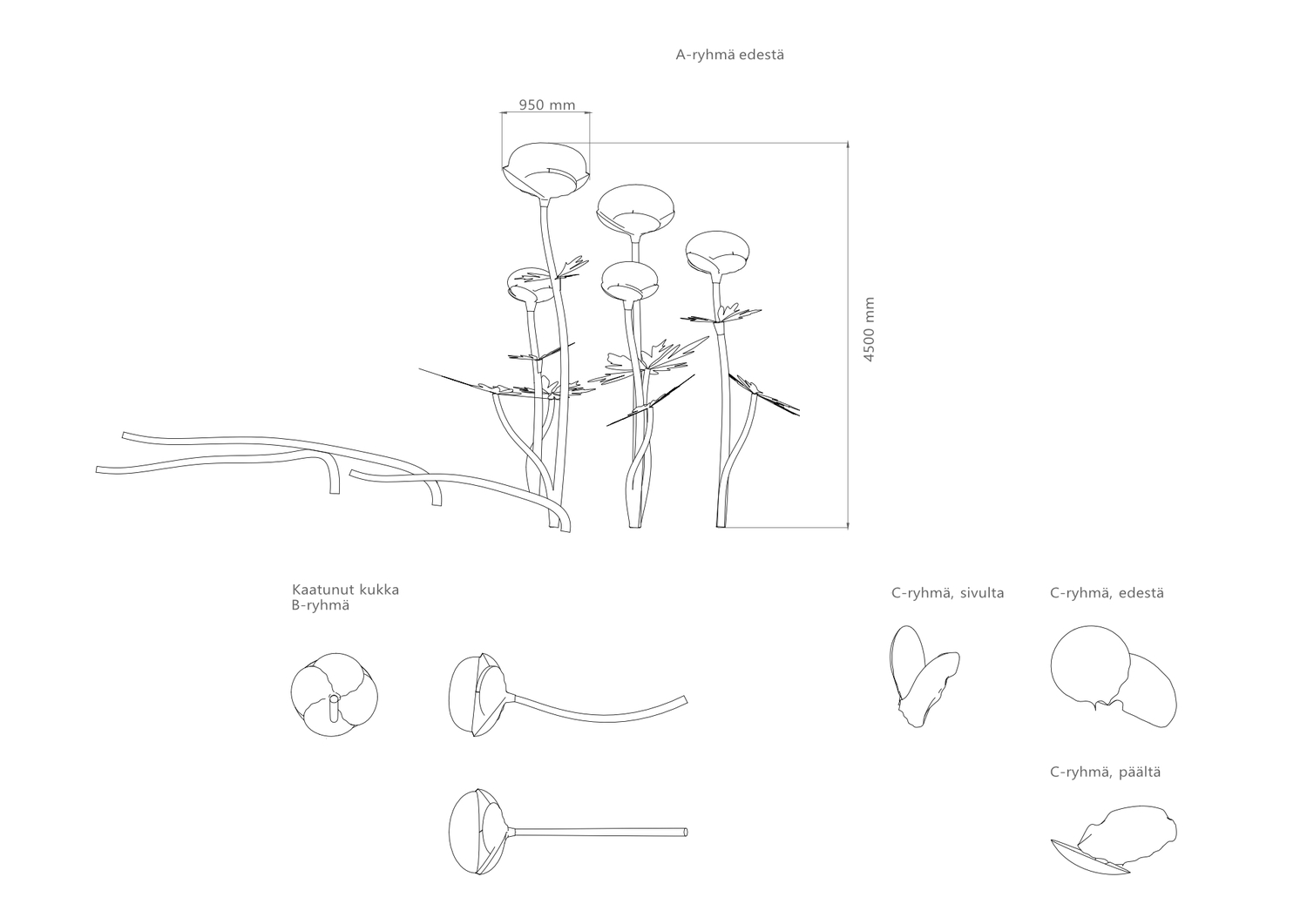
Nimimerkki Kulkija / Pseudonym Kulkija
Osat A, B ja C
Materiaalit
Kukat: haponkestävä kullattu teräs
Varret: Imacron-terästanko
Alus- ja varsilehdet: Imacron-teräslevy
Terälehdet: haponkestävä kullattu teräs
Korkeus 4,5 mParts A, B and C
Materials
Flowers: acid-resistant gold-plated steel
Stems: Imacron-steel rod
Basal and stem leaves: Imacron-steel plate
Petals: acid-resistant gold-plated steel
Maximum hight 4,5 m4/5
-
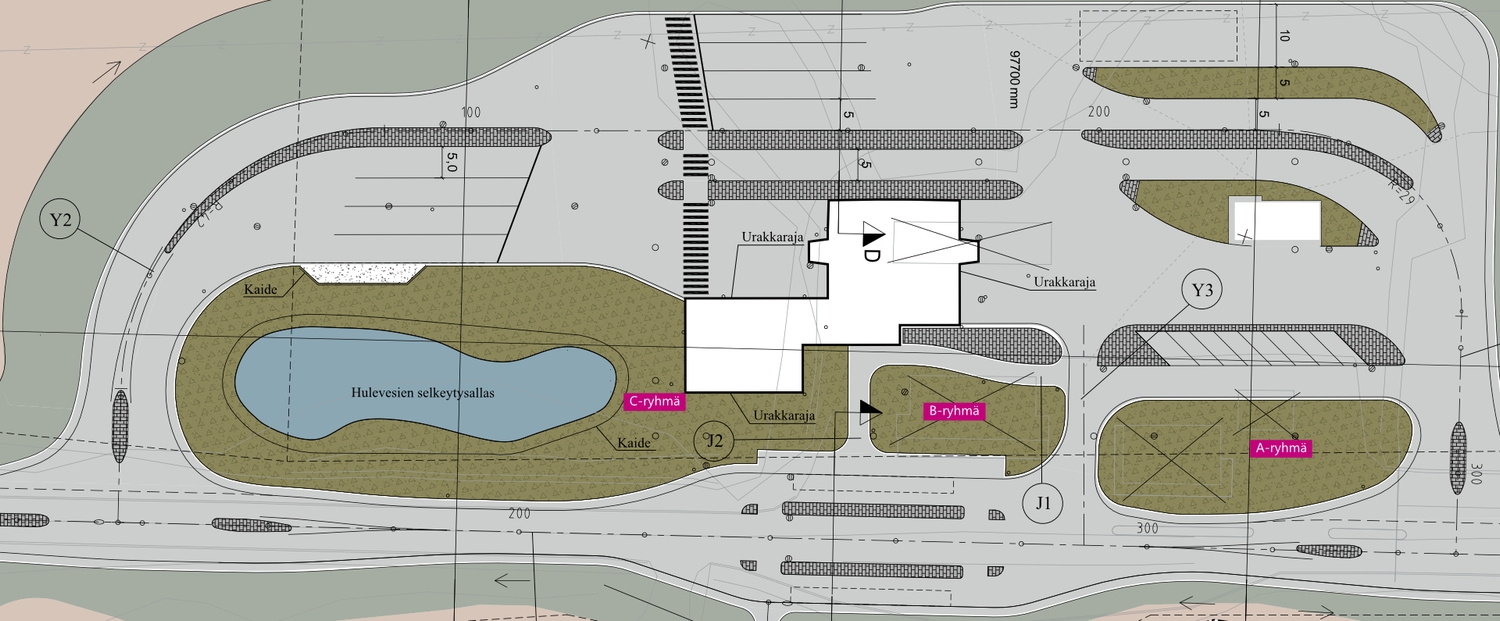
Kilpailualue / Site
Teosehdotuksen osien A, B ja C sijoittuminen
Locations of Kulkija parts A, B and C
5/5